
The Evolution of Artistic Expression in Modern Times
Updated: Sep 17, 2025
Art has always reflected the culture and values of its time. In modern times, the evolution of artistic expression showcases a shift from traditional forms to more innovative and diverse approaches. This blog post will delve into the rich tapestry of modern artistic expression, exploring its techniques, influences, and implications in today’s world.
The Shifting Landscape of Artistic Expression
The landscape of artistic expression has undergone profound changes over the last century. In the early 20th century, movements like Impressionism, Cubism, and Surrealism paved the way for artists to experiment with form, color, and emotion. Each of these movements challenged classical ideas about art, pushing boundaries further and inviting the audience into the artist's psyche.
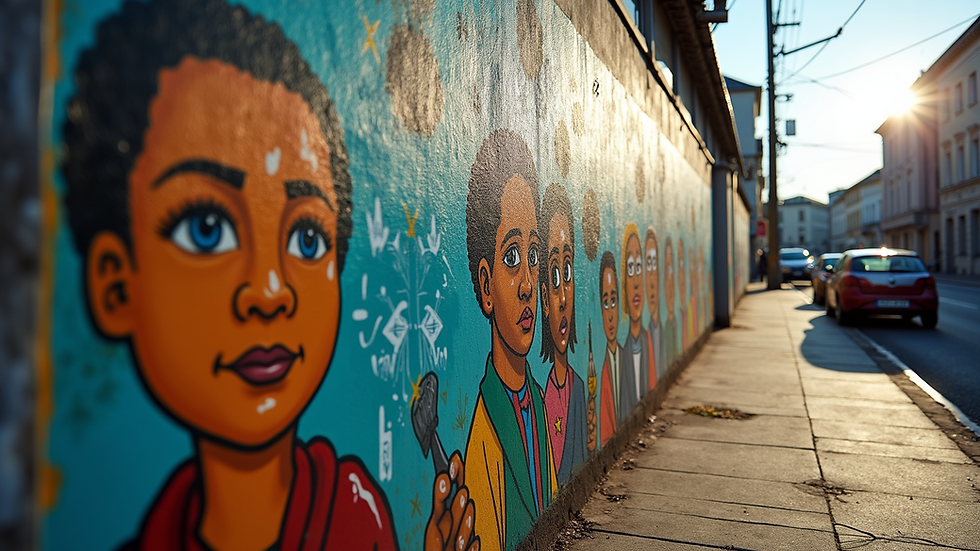
This evolution has continued, as artists today often blend multiple styles and mediums. For instance, one might see elements of digital art combined with street art, resulting in pieces that can feel both personal and vast in their commentary on society. Art today is accessible and diverse, appearing in galleries, public spaces, and even digital platforms.

The Role of Technology in Shaping Modern Art
One of the most significant influences on modern artistic expression has been technology. Digital tools have transformed how art is created, shared, and experienced. Artists are utilizing software for graphic design, digital painting, and mixed media installations. Social media platforms like Instagram have also provided artists with unprecedented access to global audiences, allowing for the immediate sharing and promotion of their work.
Furthermore, technology has led to the emergence of new art forms, such as virtual reality (VR) and augmented reality (AR). These technologies create immersive experiences that challenge viewers' perceptions and understanding of space and interaction with art. As a result, the experience of art has become more inclusive and democratic.
The Globalization of Artistic Expression
Artistic expression has become increasingly globalized in modern times. Artists from diverse backgrounds and cultures are influencing and inspiring one another, leading to a fusion of styles that reflect a broader range of human experiences. For example, African artists have drawn inspiration from Western art movements and vice versa, resulting in vibrant new creations that challenge traditional views.
Cultural exchange has never been easier, thanks to the internet. Artists are not confined to their geographical locations; instead, they can collaborate and showcase their work to a global audience. This exchange has led to the rise of contemporary art pieces that resonate with universal themes while also showcasing unique cultural narratives.
The Impact of Social and Political Movements
Art has always been a vehicle for social and political commentary. In modern times, this has become even more pronounced, with artists responding to global issues such as climate change, racial inequality, and human rights. Many contemporary artists use their platforms to address social justice, leveraging art to shine a light on important causes.
For example, the Black Lives Matter movement has inspired a myriad of powerful artworks that reflect the struggle for racial equality. Artists like Kehinde Wiley and Kerry James Marshall employ their work to challenge conventional narratives and celebrate Black culture. Such art not only serves as a form of resistance but also as an enduring reminder of the fight for justice.
The Future of Artistic Expression
As we look towards the future, it is clear that artistic expression will continue to evolve. Emerging technologies, ongoing globalization, and a growing awareness of social issues will further shape the ways in which art is created and experienced. Artists will continue to break down barriers, experiment, and explore new possibilities.
One exciting trend is the incorporation of sustainability into art-making practices. With increasing awareness of environmental challenges, many artists are seeking to produce eco-friendly art using reclaimed materials or creating pieces that promote conservation. This movement reflects a larger cultural shift toward sustainability and responsible consumption, showing how art can inspire change.

The Role of Art in Personal Identity
Art serves as a powerful tool for individual and collective identity. Through expression, artists communicate their experiences and reflect their identities. This connection to personal history, culture, and background enables audiences to relate to and understand different perspectives.
As the discourse around identity has expanded in modern society, artists are more actively engaging with themes of gender, race, sexuality, and class in their work. This has led to a rich and varied body of work that resonates with diverse audiences and fosters dialogue about what it means to belong in today's world.
Embracing Interdisciplinary Approaches
Modern artists increasingly embrace interdisciplinary approaches in their practice. By blending visual arts with performance, literature, music, and other art forms, they create multi-sensory experiences that engage audiences on multiple levels. This cross-pollination of creativity has enriched the art-making process and opened up new avenues for expression.
For example, installations that incorporate spoken word or soundscapes invite viewers not just to see, but to listen and feel. This expansion of artistic boundaries reflects the complexity of contemporary life, where different forms of expression interconnect and intertwine.
A New Renaissance in Artistic Expression
Today, we find ourselves in a new artistic renaissance that transcends traditional boundaries. Modern artists are not just creators of beauty; they are agents of change. They provoke thought, challenge norms, and inspire action. This evolution in artistic expression shows that art remains a vital aspect of our humanity.
In this fast-paced world, art continues to provide a sanctuary for reflection, connection, and expression. Whether through gallery exhibitions, street murals, or immersive installations, contemporary art invites us to engage deeply with the world around us.
As we move forward, let us embrace the diversity and creativity that modern artistic expression offers. By supporting artists and exploring various forms of art, we can contribute to a vibrant cultural landscape that values innovation and inclusivity.
In a world that desperately needs dialogue and connection, artistic expression lights the way. The future of art is bright, and it is our responsibility to nurture it, ensuring that every voice is heard and every message is conveyed. Exploring the rich variety of contemporary art pieces can inspire us to understand and appreciate the world from different perspectives, fostering a deeper sense of empathy and community.


Comments